Maxwell Street Presbyterian Church is Certified
as an Earth Care Congregation by the PCUSA!


Maxwell Street Presbyterian Church was certified as an Earth Care Congregation by the Presbyterian Church (U.S.A.)'s Presbyterian Hunger Program February 2025 through February 2026. The Earth Care Congregation certification is designed to recognize churches that make the commitment to take seriously God’s charge to “till and keep” the garden. Maxwell Street Presbyterian Church is just one of the 361 congregations in 41 states that chose to dedicate themselves to intentional care of God’s earth this year. Ten percent of those like Maxwell Street Presbyterian Church are certifying for the first time in 2025.

   Thank you to all the committees and people who joined with the Social Justice Committee last year to put on environmental events and try new things in worship, mission, education, and in our facilities. In 2024, we hosted an Environmental Justice Sunday School class, Matt created an Earth Care themed worship service for UKirk, the Mission Committee collected donations of secondhand clothing and water bottles to give out to our community members at Thursday Night Meals, and our PRIDE giveaways were wildflower seeds and locally grown flowers. The Social Justice Committee is very excited to hear your ideas and come up with new actions for this year. Please consider following the below QR code to take our congregational survey to tell us what changes and options you would like us to prioritize!
Exciting News:
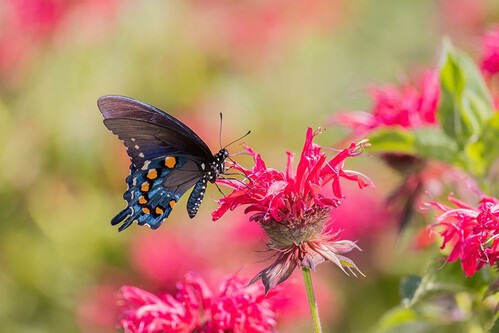
Native Garden Project Underway!

After years of growing our vegetable plots, and in partnership with Helen Richardson, Chair of the Social/Environmental Justice Committee, we’ve made the exciting decision to transform the area into a native garde. We’ve cleared, prepped, and seeded the expanded site for a thriving future. We’ve also received a $1,500 grant from the Fayette County Conservation District to support this transformation, with more funding possibilities on the horizon. Soon, seedlings from Ironweed Nursery will go into the ground—and we’d love your help!

If you are interested please reach out to Ann Farrer or Helen Richardson. Let’s get our hands dirty and grow something meaningful together!

Environmental Justice Resources

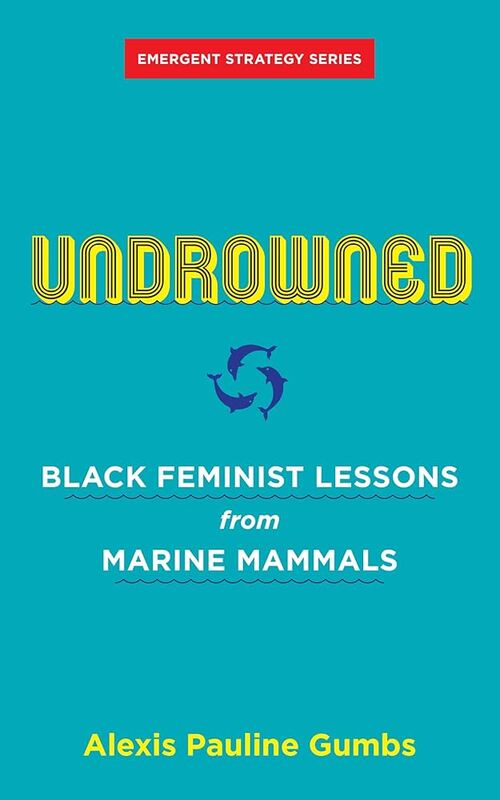
Undrowned: Black Feminist Lessons from Marine Mammals

Alexis Pauline Gumbs
Gumbs uses imagination, scientific books, and meditation to analyze how marine mammal survival in global warming, historical hunting, and environmental degradation can teach us how to build communities and lives to combat systems of death and make hope/survival in uncertain times. Black and indigenous knowledge contributes to this work, as well as queer ideas of kinship and relations. Who is our family?

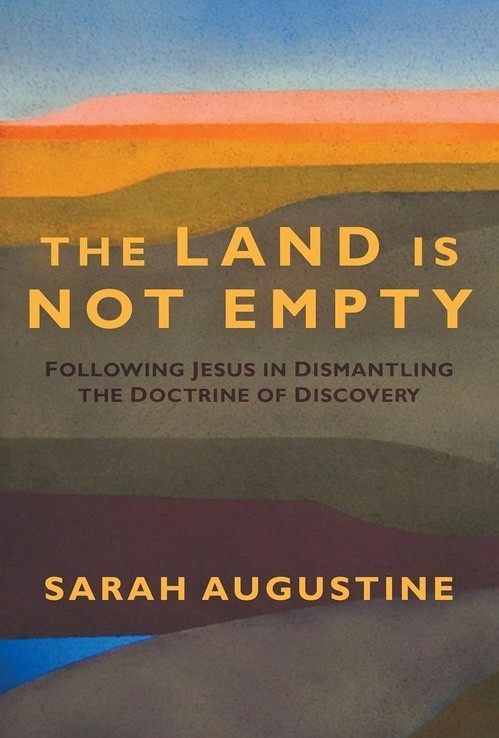
The Land is Not Empty: Following Jesus in Dismantling the Doctrine of Discovery 

Sarah Augustine
Augustine traces the legal and religious doctrine of terra nullius, developed by Christian powers in Europe to claim moral, legal, and divine right to stealing land and humans during colonization. She uses memoir to explain how this impacts indigenous peoples today (including her own family) and calls churches to act in repentance and with haste for environmental justice and repair.

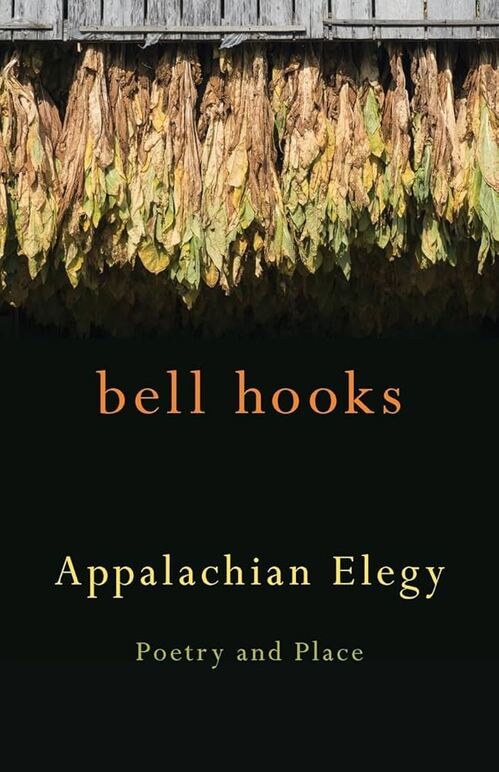
Appalachian Elegy

bell hooks
First essay is really good, but also the poetry discusses the complex history of land in Appalachia.

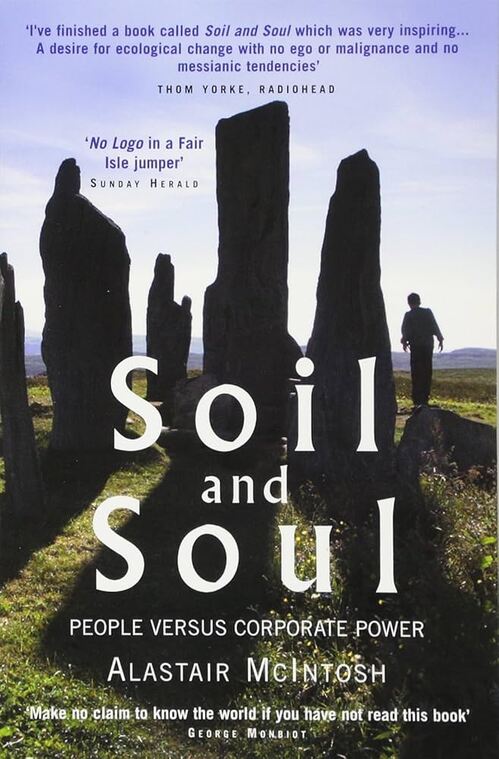
Soil & Soul: People Versus Corporate Power

Alastair McIntosh
This book discussed land rights in the Highlands of Scotland, telling the story of how local people cleared the lord from the land (and confronting a superquarry mining project) through developing a land trust. McIntosh ties in spirituality and mentions how the Iona Community helped shape his journey on his path.

Rifqa

Mohammed El-Kurd
A book of poetry and history on Israeli apartheid, Palestinian land struggles and lack of rights, bulldozing of sacred land/olive tres, and particularly Sheikh Jarrah (Israeli occupied and stolen Palestinian neighborhood in Jerusalem).

Maquilapolis

 This 2006 documentary film directed by Vicky Funari and Sergio De La Torre on the factories at the border of the US and Mexico. Environmental injustice is covered by showing the toxicity of these electronics factories poisoning workers and people who live in low income houses near the river on the border. So-called Free Trade Agreements between the US and Mexico are discussed in this as they prevent workers often from receiving justice from the big manufacturers.